
How To Sell or Donate Your Piano
Brigham Larson PianosWhat to Expect, What Really Matters, and Your Best Next Steps
Over the years, one of the most common calls I get at the piano shop sounds something like this:
“We’re moving and need to sell our piano.”
“Do you buy used pianos?”
“Can we donate our piano to your restoration shop?”
These are good questions—and very reasonable ones. A piano is a large instrument, a significant investment, and often something tied to family memories. When it’s time to part with one, people understandably want clear guidance.
Below is an honest, technician-level explanation of how the piano market works today—and what typically leads to the best outcome.
Where to Start When Selling a Piano
If you’re thinking about selling a piano, the first and most helpful step is simply understanding what you have. Age and build quality matter a great deal in today’s market, and the easiest way to determine a piano’s age is by locating its serial number and looking it up in the Pierce Piano Atlas.
On upright (vertical) pianos, the serial number is usually stamped on the metal plate just inside the top lid. On grand pianos, it’s typically found on the plate underneath the music desk. Knowing the age of your piano gives you a realistic starting point and helps set expectations before you decide whether selling, donating, or keeping it in the family makes the most sense.
Grand Piano Serial Number Example:

Note: GG-160 is the model, 81891387 is the serial number on this grand piano.

Note: U3 is the model, H1589182 is the serial number on this upright piano.
Next, take a moment to honestly assess the piano’s condition. A healthy piano should hold a tuning reasonably well, play smoothly from top to bottom, and feel fairly consistent from key to key. If notes stick, feel uneven, rattle, or if the piano goes badly out of tune shortly after being serviced, those are signs that repairs or regulation may be needed.

In today’s market, a piano’s sellability usually comes down to a few practical factors: appearance, age, brand, condition, and size.
Pianos that look clean and presentable generate far more interest than those with heavily scratched cabinets, worn finishes, or signs of water damage.
Age matters as well—most pianos weren’t built to last forever, and older instruments that haven’t been rebuilt or maintained consistently are harder to sell, especially if they don’t hold a tuning well.
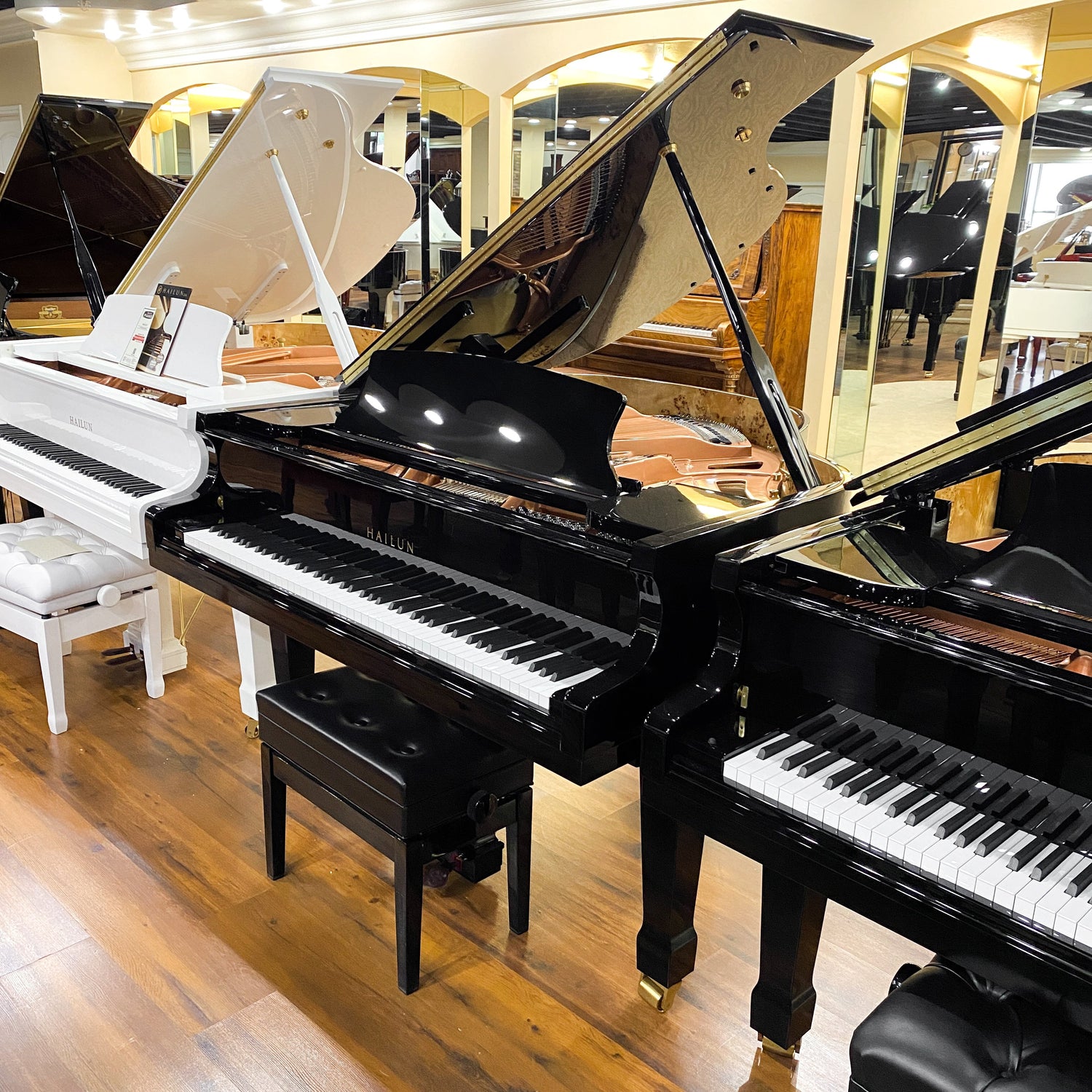
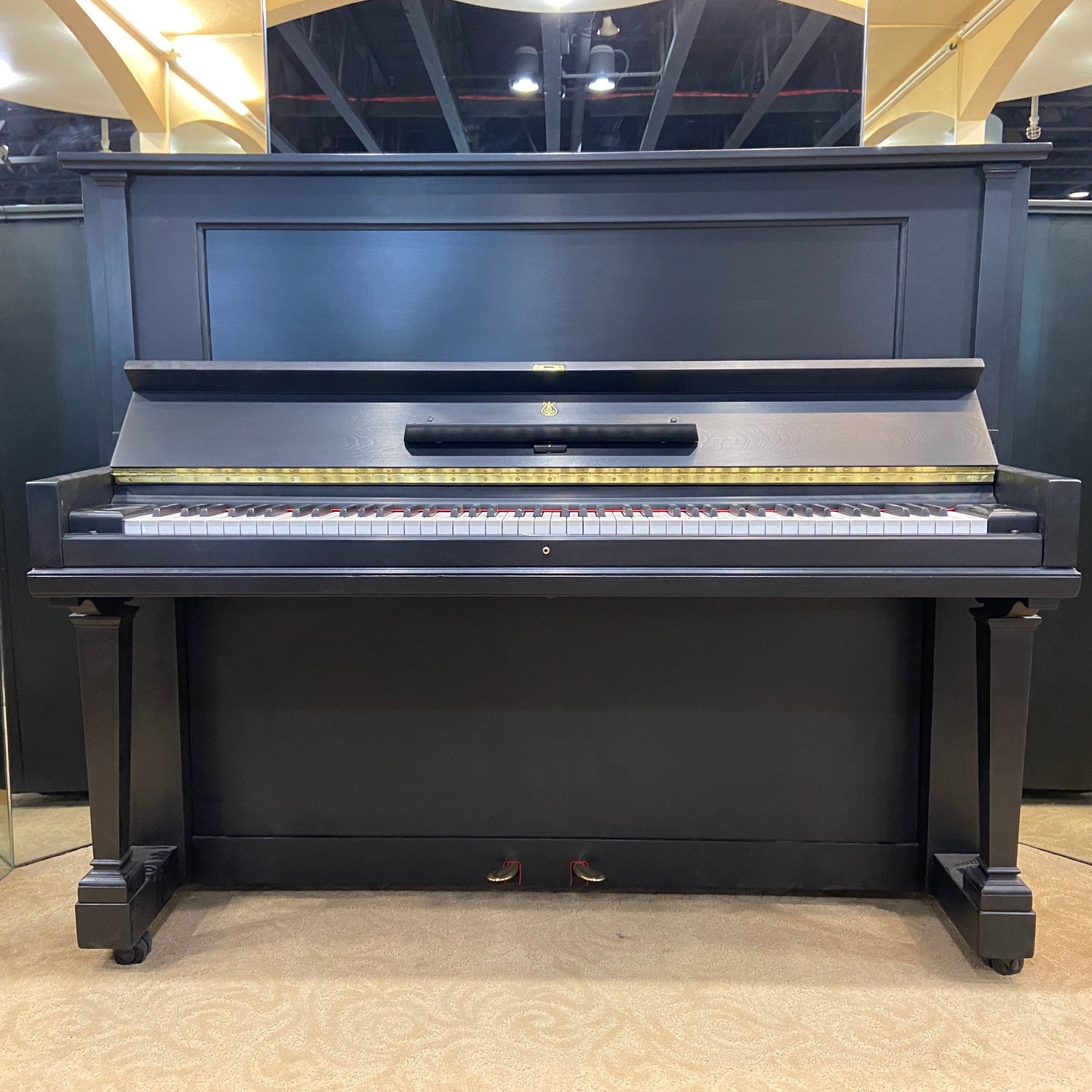
Size also plays a role, as full-size uprights and baby grands tend to attract more buyers than very small spinets or consoles.
When these elements line up, selling is much more realistic; when they don’t, other options like gifting, donating, or keeping the piano in the family may make more sense.
How Buyers Will See Your Piano:
- Green Light: Clean appearance, reasonable age, holds a tuning fairly well, full-size upright or grand
- Yellow Light: Cosmetic wear, older but playable, uneven touch or tone, smaller upright
- Red Light: Heavy cabinet damage, severe tuning instability, very small spinet, long-term neglect or storage issues
Once you understand your piano’s age, condition, and how it fits into today’s market, the next step is deciding what actually makes the most sense. For some pianos, a private sale or donation is the right and practical choice. But if the piano has meaningful family history, was well built to begin with, and is still structurally sound, it’s worth pausing before letting it leave the family.
Learn About Family Heirloom Piano Restoration
Preparing Your Piano for Sale
If you’re hoping to sell rather than give the piano away, presentation matters.
Before listing:
- Clean the cabinet and polish the pedals
- Remove items from the top and open the lid for photos
- If the piano is significantly out of tune or has sticking keys, consider having it serviced. If you’re hoping to sell, I strongly recommend having the piano serviced first; it removes doubts and makes the process much smoother.
A piano that looks cared for and functions smoothly inspires confidence and sells more easily.
Determining the Fair Market Value of Your Piano
Fair market value is simply what a realistic buyer is willing to pay for your piano in its current condition—not what it originally cost, and not what you hope it might be worth. In today’s market, that value is shaped by supply and demand, the piano’s age, condition, size, and overall quality, as well as the costs a buyer knows they’ll face after purchase, such as moving and servicing.
The most practical way to gauge fair market value is to look at comparable pianos listed privately online, keeping in mind that asking prices are often higher than actual selling prices. Dealers’ prices are usually not a good comparison, since they reflect added work, warranties, and business overhead. Approaching value with flexibility and realism makes the selling process far smoother and helps avoid months of frustration.
To obtain a formal valuation of your piano, enlist an experienced piano technician who can evaluate many variables, including the current condition of your piano. At Brigham Larson Pianos, we offer this service in three different tiers, depending on how thorough of an appraisal you may need. Visit our Piano Appraisal webpage to learn more about the options available. Our first tier is completely virtual, making it convenient if you are not local to us.
The Most Effective Way to Sell a Piano: Private Sale
For most families, selling privately online is the most realistic path.
The platforms I consistently recommend are:
- Facebook Marketplace
- KSL Classifieds (especially in Utah and surrounding areas)
- PianoMart.com (a slower but more targeted audience great for high-end grand pianos)
A few practical tips:
- Take clear, well-lit photos of the exterior and interior
- Be honest about condition and age
- State clearly that the buyer is responsible for moving, or consider offering to pay for the piano delivery.
- Price with flexibility—many sales happen after price adjustments
Private sales take patience, but they offer the best chance of success
Why Even a “Free” Piano Can Be Expensive
This is one of the most important things sellers don’t realize.
When someone takes a used piano, they aren’t just accepting the piano—they’re accepting everything that comes with it.
From the buyer’s perspective, that usually includes:
- Professional piano moving
- A pitch raise and tuning (especially if the piano hasn’t been serviced regularly)
- Regulation and minor repairs so the piano plays evenly and reliably
When buyers look at your piano, they mentally subtract these costs from what they’re willing to pay. That’s why even good, playable pianos can be hard to sell—and why “free” pianos are sometimes passed over.
Understanding this upfront makes the whole process much less frustrating.
What About Donating a Piano?
Donating can be a wonderful option—but only if the piano is genuinely usable.
Many organizations are very selective because they face the same realities buyers do: moving costs, space limitations, and maintenance responsibilities.
Potential donation recipients may include:
- Churches
- Small schools or teaching studios
- Community organizations
- Individual students or families
One More Option to Consider: Keeping the Piano in the Family
Before selling, donating, or letting a piano go, I always encourage families to pause and check with other relatives. You’d be surprised how often a piano that no longer fits one home is deeply wanted by a child, grandchild, niece, nephew, or sibling.
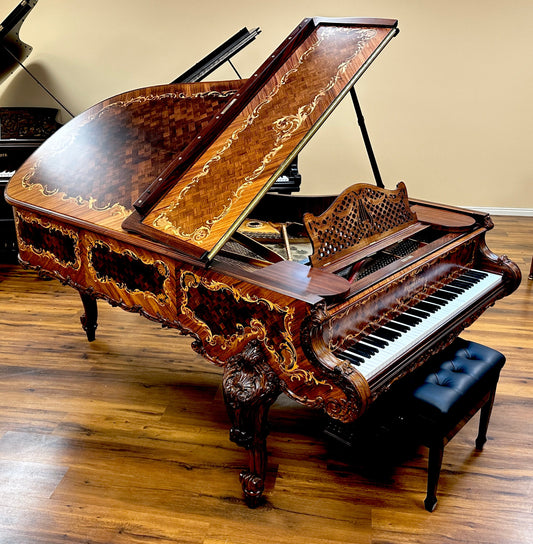
At Brigham Larson Pianos, we specialize in heirloom piano restoration, and many of the most meaningful projects in our shop begin this way—a family realizing that the piano doesn’t need to leave the family, it just needs a new chapter.
Family Heirloom Piano Legacy Blog
When a piano has sentimental value, passing it to the next generation and restoring it properly can preserve not only the instrument, but the legacy attached to it. In the right circumstances, a rebuilt heirloom piano will often outperform a new piano and continue serving the family for decades to come.

Family Heirloom Piano Legacy Stories & Restorations
Learn About Piano Restoration
View Rebuilt Family Heirloom Pianos
Is Restoration Worth Considering?
Piano restoration can be incredibly rewarding. Restoration is often worth considering if several of the following are true:
The piano has strong sentimental or family value
(It belonged to a parent, grandparent, or has been part of your family for decades.)
The piano is structurally sound
(The plate is intact, the soundboard is stable. If the piano has suffered major environmental damage we can often still restore the piano to like new condition. Check out this fire damaged piano restoration, or this severely damaged cosmetic Yamaha piano restoration.)
The piano was well built to begin with
(Higher-quality uprights and grands tend to respond far better to rebuilding than entry-level consumer pianos)
You want to keep the piano in the family
(Passing it to a child or grandchild gives the instrument a new purpose and a longer life)
You value longevity and musical quality over quick resale
(A properly rebuilt heirloom piano is meant to be played and enjoyed for decades)
If most of these boxes are checked, restoration may be a meaningful alternative to selling or donating. This is exactly the kind of work we specialize in, and it’s always a conversation—not a one-size-fits-all answer.

When Letting Go Is the Right Choice
This is the hardest part of the conversation, but it’s an important one.
Some pianos have simply reached the end of their practical service life. When structural issues, severe wear, or long-term neglect are present, disposal may be the safest and most responsible option.
If that’s the case, always use professional piano movers. Pianos are extremely heavy and dangerous to move without proper equipment.
If you would like to hire the Brigham Larson Pianos Professional Piano Moving Team for a piano move or piano disposal, please call us at 801-701-0113 or follow the link below for an online quote.
FREE Brigham Larson Pianos Professional Piano Moving Team Estimate
A Final Word from the Piano Shop
Pianos are remarkable instruments—but they’re also complex machines made of wood, felt, and steel. Not every piano can be resold, donated, or rebuilt, and that’s okay.
While we aren’t taking in additional pianos right now, I hope this guide helps you understand the process clearly and make the best decision for your situation.
If you need future guidance, piano service, would like to restore your current piano, or are looking for a new or newer piano that will serve your family well for decades, you’re always welcome to contact us.
Shop Current Piano Inventory
Professional Piano Value Appraisal & Evaluation

—
Brigham Larson
Learn About Brigham: Registered Piano Technician & Rebuilder Since 1995
Brigham Larson Pianos
Contact Us